

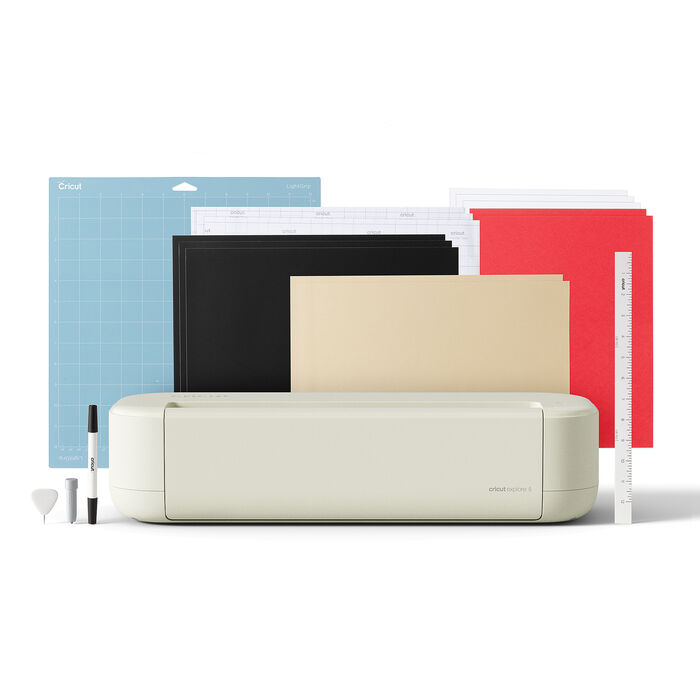
For most people making shirts, the Cricut Explore 5 is the Cricut I would buy. It cuts the iron-on/HTV materials used for mainstream T-shirt designs, handles 12-inch-class graphics, can make long matless cuts with compatible Smart Iron-On, and costs less than paying for Maker capabilities that shirt-only users rarely need.
The Cricut Joy Xtra makes sense when portability and a small footprint matter more than maximum shirt-design width. The new Cricut Maker 5 is the better machine when shirts are only one part of a broader craft workflow that also includes fabric, leather, engraving or thicker materials. And the Cricut Venture is the machine to consider when a shirt business needs wide material and batch production rather than another hobby-sized cutter.
If shirts are the main reason you are buying a Cricut, these three cover the most common needs without paying for features that do not improve normal HTV projects.

| Machine | Shirt-Friendly Cut Size | Materials / Tools | Best Shirt Use | Main Limitation |
|---|---|---|---|---|
| Cricut Explore 5 | 11.5 × 23.5 in on large mat; up to 12 ft with compatible Smart Materials | 100+ materials; Explore tool family | Best overall for HTV, printable iron-on and everyday shirts | No Maker rotary/knife/engraving tool system |
| Cricut Maker 5 | 11.5 × 23.5 in on large mat; up to 12 ft with compatible Smart Materials | 300+ materials; 13 tools; selected materials up to 3 mm | Shirts plus fabric, leather, engraving and mixed-media business work | Extra capability does not make ordinary HTV shirts better |
| Cricut Joy Xtra | 8.2 × 11.7 in on mat; up to 8.5 in × 4 ft single-image Smart Material cuts | 50+ materials; compact 3-tool ecosystem | Pocket logos, youth apparel, smaller chest designs, portable setup | 8.5-in width can constrain large adult front/back graphics |
| Cricut Venture | Up to 24-in cut width on 25-in Smart Materials; single images up to 12 ft; repeated cuts up to 75 ft | 100+ materials; professional wide-format workflow | Wide HTV, oversized designs and batch shirt production | Large, expensive, desktop-computer-only workflow |
If shirts are only one of several projects you expect to make, use the existing Crafty Hangouts Cricut Machine Finder. It narrows the current machine family by project type rather than assuming the most expensive machine is automatically the right one.
Key specifications: 10 lb; cuts 100+ compatible materials; 11.5 × 23.5-inch maximum cut on a large mat; up to 12 feet with compatible Smart Materials; 14.1 in/sec listed cut speed; Print Then Cut; Design Space on supported desktop/mobile devices.
Explore 5 is the sweet spot because normal shirt making does not require Maker-only tools. A basic HTV shirt needs a fine-point blade to cut iron-on, enough width for the design, Design Space to send the cut, and a heat press to apply it. Explore 5 already does all of that.
Its 11.5-inch mat cutting width is enough for most adult chest graphics. With compatible Smart Iron-On, the machine can make long matless cuts up to 12 feet, which is useful for names, numbers, sleeve designs and repeating multiple shirt elements without constantly loading a mat.
Explore 5 also supports Print Then Cut with compatible printable materials and a home printer. That does not turn the Cricut into a printer—the image is printed elsewhere and the Cricut cuts around it—but it gives you another route to full-color apparel when you use an appropriate printable transfer material.
The 2026 Explore 5 is also 30% more compact than the prior Explore generation while retaining 12-inch-class cutting. For a small craft room, that is a more useful shirt-making improvement than buying a heavier premium machine just because it has more material settings.
What we like
What could be better
Best for: beginners, hobby shirt makers, family/event shirts, Etsy-style personalization and small apparel side hustles that mainly cut HTV.
Key specifications: 10.9 lb; 300+ compatible materials; 13-tool ecosystem; 12-inch Smart Material cut width; up to 12-ft Smart Material cuts; 11.5 × 23.5-inch maximum large-mat area; selected materials up to 3 mm; USB-C and Bluetooth Low Energy.
Maker 5 is Cricut’s current flagship, launched September 4, 2026. It is an excellent machine—but I would not pay more for it solely to make ordinary HTV shirts. Explore 5 cuts the same mainstream iron-on materials and has essentially the same shirt-friendly working width.
The reason to buy Maker 5 is everything you plan to do besides straightforward HTV. It supports 300+ materials and 13 tools, including Rotary Blade for unbonded fabric, Knife Blade for selected dense materials, engraving, debossing, perforation and scoring tools. That makes it a better fit for a business that might sell shirts alongside fabric appliqué, leather accessories, engraved goods, signs or thicker-material products.
For apparel specifically, the Rotary Blade matters when you cut fabric appliqués or sewing pieces rather than iron-on. Maker 5 can also cut Smart Iron-On up to 12 feet, so you do not lose the convenient long-cut shirt workflow by stepping up.
The new model is 30% more compact than previous Maker generations and expands selected cutting/engraving capability to 3 mm. Those improvements are valuable for mixed-media users, but neither one materially improves a simple one-color HTV chest logo.
What we like
What could be better
Best for: shirt makers who also sew, cut fabric, work with leather/wood/acrylic, engrave products or want one Cricut for a broader personalized-product business.
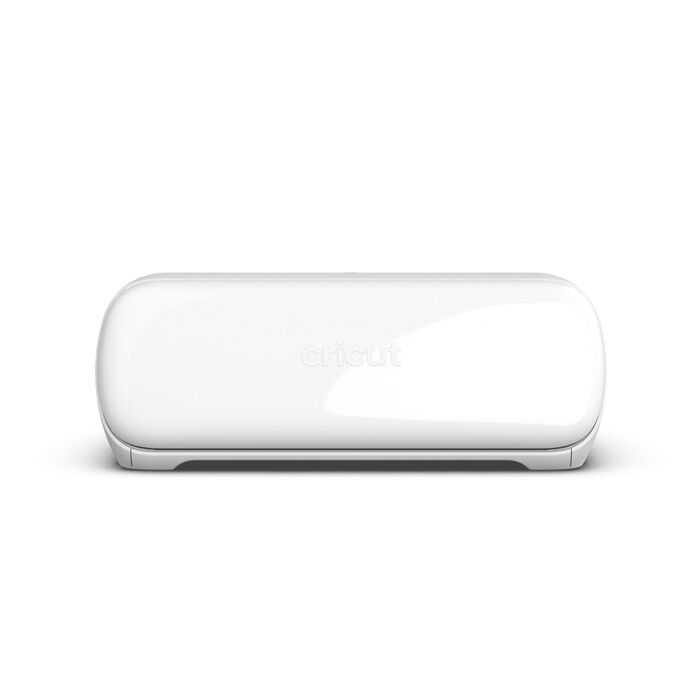
Key specifications: 6 lb; 50+ compatible materials; 8.2 × 11.7-inch maximum mat cut; 8.5-inch maximum Smart Material cut width; single-image Smart Material length up to 4 feet; Print Then Cut; Bluetooth.
Joy Xtra is the machine I would choose when space and portability matter more than full-size adult graphics. It can cut Smart Iron-On, standard iron-on on a mat, and full-color Print Then Cut projects, but its 8.5-inch maximum Smart Material width is the constraint you need to understand before buying.
Eight and a half inches is plenty for many left-chest logos, youth shirts, tote bags, names, small centered graphics and sleeve designs. It can also work for adult shirts when the design is intentionally compact. But if you routinely want 10- or 11-inch-wide adult chest graphics, you will quickly wish you had Explore 5’s 12-inch-class format.
The upside is a six-pound machine that takes up very little desk space and is easy to put away. For an apartment, dorm, mobile craft setup or occasional family shirts, that convenience can be more important than a larger cutting area you rarely use.
What we like
What could be better
Best for: small spaces, occasional shirts, youth apparel, pocket/sleeve logos, portable crafting and makers whose designs are usually under 8.5 inches wide.
Key specifications: 25-inch professional cutting machine; 100+ materials; up to 24-inch cut width on 25-inch Smart Materials; up to 25.4 in/sec; single images up to 12 feet; repeated images up to 75 feet; desktop Design Space required.
Venture is not “a better Explore” for the average home crafter. It solves a production problem: more material width and more repeated cutting in less time.
For shirts, the 25-inch Smart Material format can let you place multiple designs across a wider strip of Smart Iron-On or create oversized graphics without tiling a 12-inch machine. Cricut specifically positions Venture for batches of T-shirts and other repeated projects, and it can handle repeated Smart Material cuts up to 75 feet.
That matters when the bottleneck in your apparel operation is cutter throughput. If the heat press and order queue are already busy and you repeatedly cut dozens of the same logo, wider material plus commercial cut speed can save real production time.
It also opens larger Print Then Cut projects with a compatible home inkjet printer, but the machine remains a cutter—not a direct-to-garment printer or DTF printer. If your business is shifting toward high-volume full-color apparel, compare other printing methods in our T-shirt printing machine guide before assuming a wider vinyl cutter is the answer.
What we like
What could be better
Best for: established shirt businesses, school/team orders, event apparel, oversized HTV and makers repeatedly cutting batches large enough to justify a professional 25-inch Cricut.
Explore 5 is the best Cricut for HTV shirts for most buyers. Standard HTV and Smart Iron-On do not need the specialized Maker tool system. Explore 5 gives you the width, long-cut capability and Design Space workflow you actually use for shirts while keeping the machine simpler and less expensive.
Maker 5 becomes worth the upgrade when fabric and advanced non-shirt products are part of the plan. Joy Xtra is a space-saving compromise. Venture is a production upgrade when order volume—not craft capability—is the limitation.
| Method | What the Cricut Does | Best Shirt Type | What Else You Need |
|---|---|---|---|
| HTV / Iron-On | Cuts colored heat-transfer vinyl; you weed and press it | Cotton, polyester and many blends when the HTV maker approves them | Heat press/EasyPress; no printer needed |
| Printable transfer paper / printable iron-on | Print Then Cut trims around a design printed by a separate printer | Depends on the exact transfer product | Compatible inkjet/laser printer, correct transfer media, heat press |
| Infusible Ink | Cuts transfer sheets or draws a mirrored design for heat transfer | Compatible white/light polyester or polymer-based blanks | Heat source capable of the required high temperature; compatible blank |
| DTF transfer | A Cricut generally is not required for a finished supplier-made DTF transfer | Many apparel fabrics depending on transfer supplier | DTF transfer + heat press; dedicated DTF printing is a separate system |
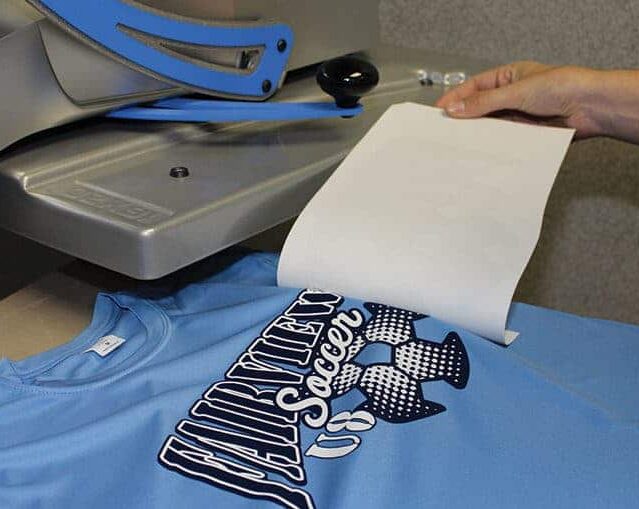
For a normal one- or multi-color shirt design, HTV is the reason I recommend Explore 5 first. You mirror the artwork, cut the iron-on with the carrier side positioned as the material instructions specify, weed the unwanted vinyl, position the design, and press it at the manufacturer-approved time, temperature and pressure.
See our updated heat press temperature chart rather than using one generic temperature for every HTV brand.
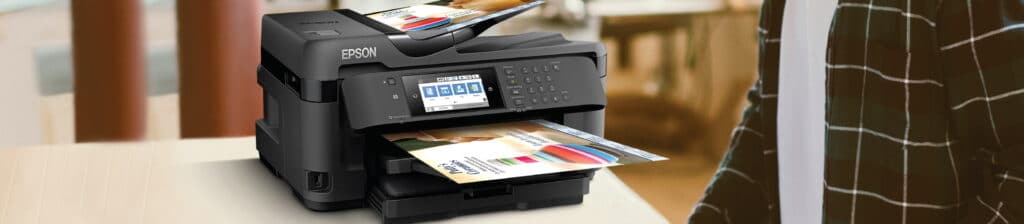
A Cricut cannot create a full-color ink image by itself. For Print Then Cut shirt designs, a compatible printer produces the image and the Cricut trims around it. Printer technology, transfer-paper type and shirt color all matter, so compare our best printers for heat transfers and best heat transfer paper before buying consumables.
Cricut’s Infusible Ink works differently from adhesive iron-on: the color bonds into a compatible polyester/polymer substrate instead of sitting on top of the shirt. Cricut says 100% cotton is not compatible and identifies at least 75% polyester as the minimum threshold that could provide preferred results for non-Cricut sublimation-compatible blanks. It is also intended for compatible white or light-colored fabrics.
If you want a black cotton T-shirt, conventional HTV or another transfer method is the more appropriate route.
Do not choose one “standard” width for every shirt. Adult XL, youth medium, left-chest logos, full-front graphics and tote bags all need different proportions. Use the site’s existing HTV sizing tool below to get a starting point, then adjust for the garment and artwork.
Before cutting expensive HTV, measure the actual blank and make a paper test if the design is close to a seam, pocket or collar. This is especially useful with Joy Xtra, where the 8.5-inch working width can become the limiting factor on larger adult garments.
No. If the vast majority of your projects are HTV T-shirts, Explore 5 is the smarter purchase. Maker 5 uses the same basic 12-inch-class shirt width and does not make ordinary fine-point HTV cuts inherently more useful simply because it supports more tools.
Buy Maker 5 when you can name a Maker-specific workflow that matters to you: unbonded fabric with Rotary Blade, selected thick materials with Knife Blade, engraving, debossing, perforation or broader mixed-media product lines.
Yes—as long as the design fits the width you want. Joy Xtra can cut up to 8.5 inches wide with Smart Materials. That works well for many compact centered designs, chest logos, youth shirts, sleeve graphics and vertical designs. Large adult front/back graphics often look better around 9–11+ inches wide, depending on the blank and design, so the machine can become restrictive.
If shirts are your main hobby and you have room for Explore 5, I would usually spend the extra money for the wider format rather than redesigning every large graphic around Joy Xtra’s width.
The cutting machine creates the design; the press creates the bond. You do not need a Cricut-branded press to use a Cricut-cut HTV design.
| Press Type | Best For | Main Advantage | Main Tradeoff |
|---|---|---|---|
| Cricut EasyPress | Home shirts, occasional projects, portable setups | Compact and easy to store | You supply pressure manually and reposition for designs larger than the plate |
| Cricut AutoPress 2 (15 × 15) | Frequent pressing and repeatable Cricut workflows | 15 × 15 plate, adjustable 45–220 lb pressure and programmable presets | Higher price and 41.9-lb machine weight |
| Clamshell / swing-away heat press | Side hustles and businesses | Many sizes/prices and repeatable pressure | Quality, temperature consistency and pressure adjustment vary by model |
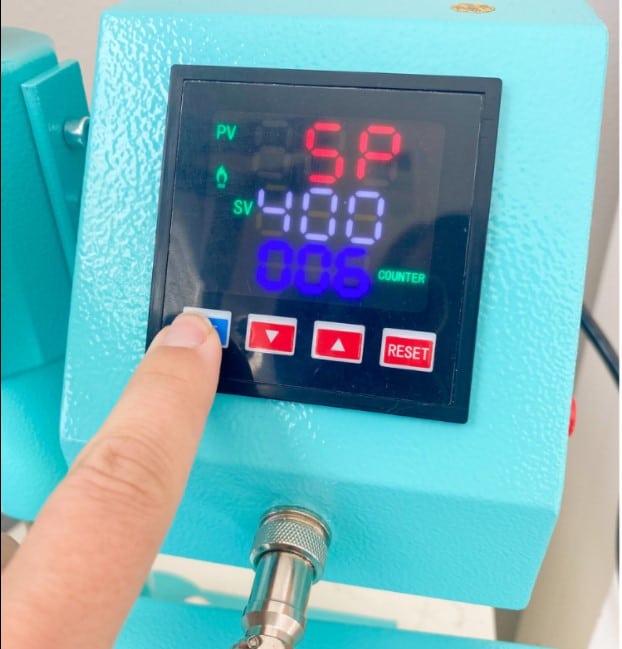
Cricut’s current AutoPress 2 is a true 15 × 15 heat press and can save repeat setup for frequent shirts. But a good third-party heat press can be a better value, especially for a business. Compare current options in our heat press guide.
Start with the order volume, not the machine price.
Use the existing T-Shirt Printing Profit Calculator before assuming a wider cutter will pay for itself. It can help you compare blank, transfer, labor and selling-price economics.
Only when its width and batch speed solve an existing bottleneck. Venture is excellent if you already cut many shirts, make team/event runs, or regularly need wide/oversized HTV. It is poor value if you make a handful of shirts per month and most designs fit an Explore 5 mat.
For a business, also compare the cutter against the complete production method. Our best T-shirt printing machine guide can help you decide when screen printing, transfer printing or other systems make more sense.
No. Cricut says Explore 5 and Venture do not require a subscription to use the machine, and Design Space provides free base content. You can upload your own supported designs. Cricut Access is an optional subscription for a larger content library, discounts/perks and certain premium software features.
If your business creates its own SVG files in another design program, you do not need an Access subscription simply to cut your own basic shirt artwork.
For most people, Cricut Explore 5. It has the same mainstream 12-inch-class shirt width you need for HTV, works with Smart Iron-On for long cuts, and costs less than paying for Maker 5 tools that do not improve ordinary iron-on shirts.
Maker 5 is more capable overall, but not automatically better value for shirts. Buy Maker 5 if you also need fabric cutting, engraving, thick-material work or its broader specialty-tool ecosystem. For standard HTV shirts, Explore 5 already covers the core workflow.
Yes. Joy Xtra cuts iron-on and supports Print Then Cut, but its maximum Smart Material cut width is 8.5 inches. That makes it excellent for smaller graphics, youth shirts and logos, but potentially limiting for large adult front/back designs.
No. Cricut cutting machines cut, draw and perform model-specific operations. For printable transfer paper or printable iron-on, a separate compatible printer creates the color image and Cricut uses Print Then Cut to trim around it.
Most standard iron-on/HTV workflows require the design to be mirrored before cutting because the material is pressed adhesive-side-down after cutting. Follow the specific HTV manufacturer’s instructions because specialty products can differ.
A Cricut can cut the design without a heat press, but you still need an appropriate heat source to apply HTV, Infusible Ink or printable transfers. Some products permit a household iron, but a heat press gives more repeatable temperature and pressure for frequent shirts.
Yes with many HTV products that are approved for cotton. Cricut Infusible Ink is different: Cricut states that 100% cotton is not compatible with the Infusible Ink transfer process, which needs a polyester/polymer-compatible substrate.
A 12-inch-class Explore or Maker is the easiest general fit because many adult front designs land around the 9–11-inch range depending on the blank and artwork. Joy Xtra can still make adult shirts, but its 8.5-inch width is more restrictive.
It can be when you already have enough batch volume to use 25-inch material widths and faster repeated cutting. If order volume is modest, Explore 5 plus a reliable heat press is usually the more efficient starting setup.
Not if your current machine reliably cuts the shirt designs you need. Upgrade when a specific limitation—space, width, production speed, tool compatibility or another product line—is costing you time or blocking sales. New model numbers alone do not make old machines stop cutting HTV.
Buy Cricut Explore 5 if shirts are the main reason you want a Cricut. It is wide enough for mainstream adult HTV designs, supports long Smart Iron-On cuts and avoids charging you for advanced Maker tools that most shirt projects never touch.
Buy Joy Xtra when compact size matters more than large graphics, Maker 5 when shirts are only one part of a broader material/tool workflow, and Venture when batch throughput is already a business problem.
For most people starting today, the better shirt setup is not “the most expensive Cricut.” It is Explore 5 + the right HTV + a reliable heat press + correct placement and pressing settings.